Journal
Two Greenhouses, One Leaf: Looking Closely at Ihwawon
Find a way to look closely between broad leaves and slender stems.
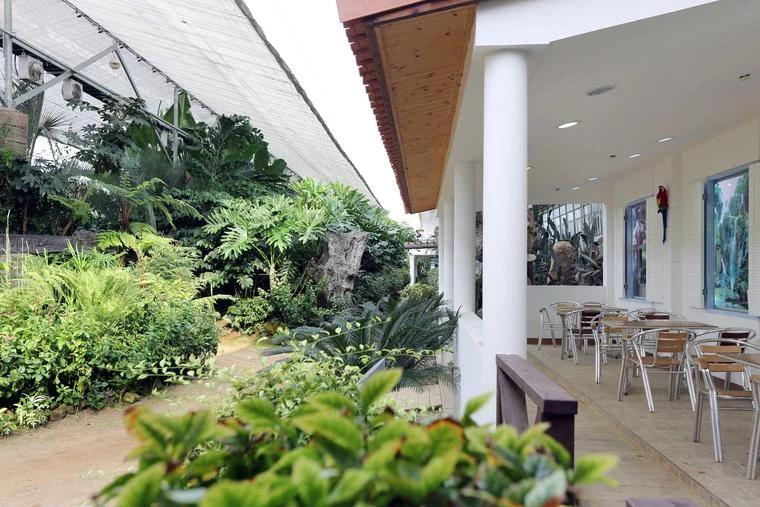
At Ihwawon, try remembering one leaf rather than collecting a list of plant names. This greenhouse garden on Jaraseom in Gapyeong offers a different kind of outing from a long riverside walk: attention moves towards stems, leaf surfaces and the spaces between planted beds. Choose one broad leaf and one slender stem, then compare how they occupy their surroundings. Children can join in without identifying a single species. The question is what looks different, and what makes that difference visible.
Choose your day before planning the journey. The operator’s information, checked on 9 November 2026, lists Monday as the weekly closure, moving to the following day when Monday is a public holiday. Publication day, 9 November, is itself a Monday, so this is a guide for a subsequent visiting day. For November through February, the published hours are 9am–5pm and admission is KRW 2,000 per person. Closing time should not be treated as a guaranteed final admission time. For a late arrival, check directly with Ihwawon on 031-5176-8846.
Save the destination as 64 Jaraseom-ro, Gapyeong-eup. Ihwawon has its own entry within the operator’s Jaraseom Garden information. Chiong Art Center is at 300 Sumogwon-ro in Sang-myeon, so plan this as a separate journey. If using the Gyeongchun railway to Gapyeong Station, arrange the onward connection and return before setting off. Reaching the island entrance and reaching a greenhouse are separate parts of the trip. Anyone travelling with a companion who finds walking tiring should ask about both stages, rather than assuming the station connection solves the whole journey.
At the entrance, locate both greenhouses and the exit on the map. The operator describes Greenhouse 1, the Western Hall, as including subtropical planting and a reptile experience area. Greenhouse 2, the Eastern Hall, contains southern Korean planting, a pond and a thatched house. Use these descriptions to choose your interests. The Western Hall label does not establish the origin of every plant, and an experience area does not guarantee handling sessions throughout the day. If an animal activity is essential to your visit, confirm its availability and conditions before buying admission.
Begin by looking at the path. In the Ihwawon photographs, earth-coloured routes run between low foliage and taller stems, with the greenhouse roof forming another layer overhead. Find somewhere to pause without blocking people behind you. First look along the route, then bring your attention back to a single leaf. A small planted area can contain several different heights. Stay on the visitor path instead of stepping into a bed for a closer photograph. There is no need to turn a leaf over or touch it to make a worthwhile observation.
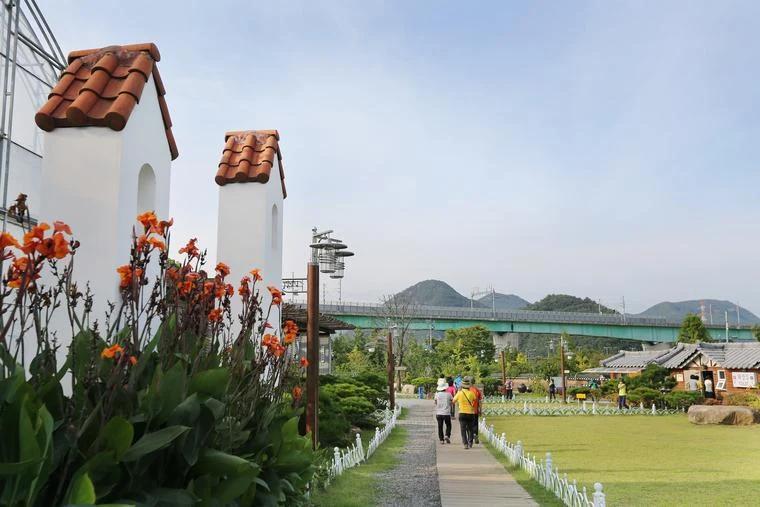
With a broad leaf, notice the light before examining the tip. Green surfaces appear lighter or darker according to their angle and the surrounding shade. Compare a close photograph with a wider view that includes the stem emerging from the ground. The first records a shape; the second explains how the plant holds that shape in space. Match a label to the actual plant before recording its name. If the relationship is unclear, remember the leaf’s width and edge instead. A careful description is more useful than an uncertain identification.
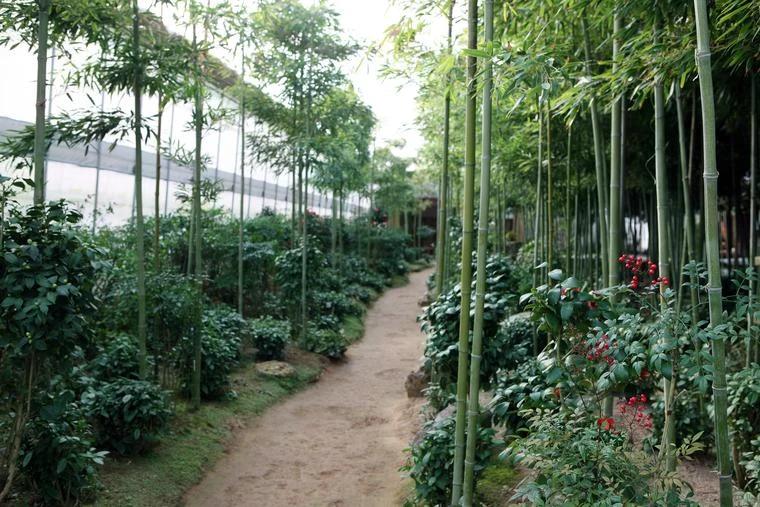
The bamboo photographs suggest a different exercise. Fine green stems repeat beside a curving path, while leaves gather beneath the roof. Look at the gaps between the stems before looking at the leaves themselves. The vertical lines make the direction of the path easier to see. Compare this with a bed of broader foliage: one scene directs attention through repeated lines, while the other presents larger surfaces. Each person in your group can name a difference in height, thickness or spacing. Nobody needs botanical vocabulary to contribute something precise.
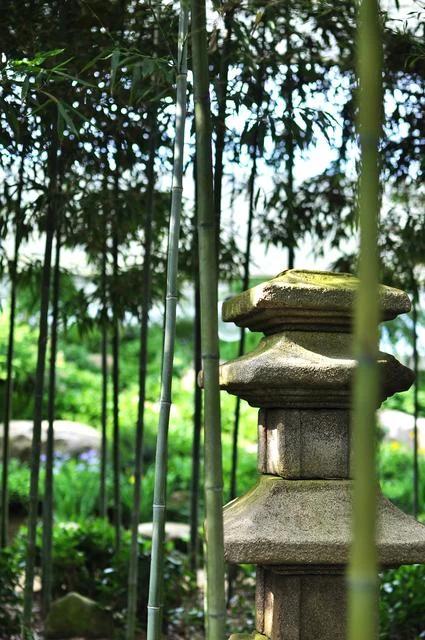
Human-made objects belong in this observation too. A stone lantern appears beside bamboo, its broad roof and square body contrasting with the narrow stems. Elsewhere, white columns form an edge beside dense planting. These arrangements show a garden shaped by routes and chosen viewpoints. They do not establish the age of the lantern or the purpose of every structure. Even where chairs appear in a photograph, follow the current signs before sitting down. An image of seating is not evidence of a café service or an included drink.
Another greenhouse scene places rounded hanging lanterns among long, divided leaves, above beds with red and lime-green foliage. Instead of counting colours, follow where a colour reappears at a different height. Red leaves near the ground and yellow lanterns overhead move attention through the scene. Pick one leaf with a strong outline and another divided into many narrow parts. This gives the visit a subject even when flowers are not your main interest. Avoid rushing from one unfamiliar plant to the next simply to photograph everything.
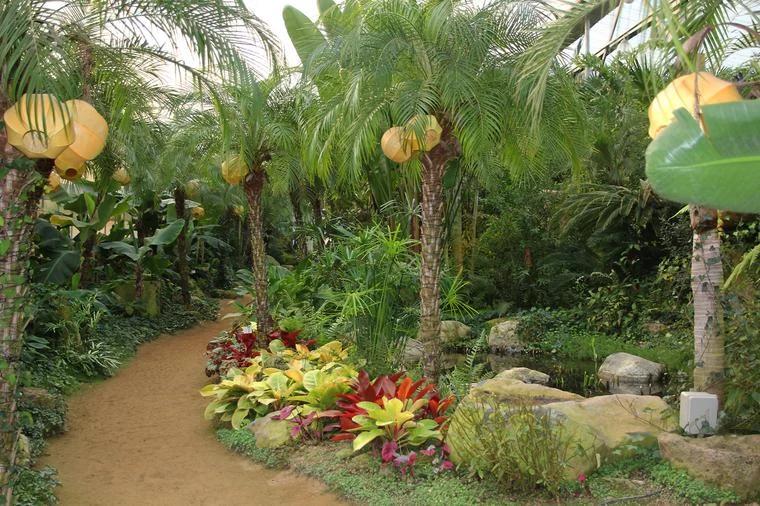
For children, prepare two open questions: which leaf resembles an umbrella, and which gap between stems lets you see furthest along the path? If visiting an animal area, listen to staff instructions about distance, contact and handwashing. A companion who does not want to participate can continue looking at plants. Leave enough flexibility to finish after one greenhouse. Wheelchair and stroller users should ask about thresholds, connecting paths and toilet access in advance. Being indoors does not by itself establish that every part of the route is level or accessible.
Decide whether lunch comes before or after the greenhouses. Eating first can help a group that includes hungry children and adults who want time to read labels. If returning through Gapyeong Station or the town centre, choose an open restaurant along that return direction. Do not build the visit around a particular meal inside Ihwawon. Check the rules for bringing and eating food on site. For snacks, read ingredient information where allergies matter: Gapyeong’s association with pine nuts is a reason to check carefully, rather than an assurance that every local product suits everyone.
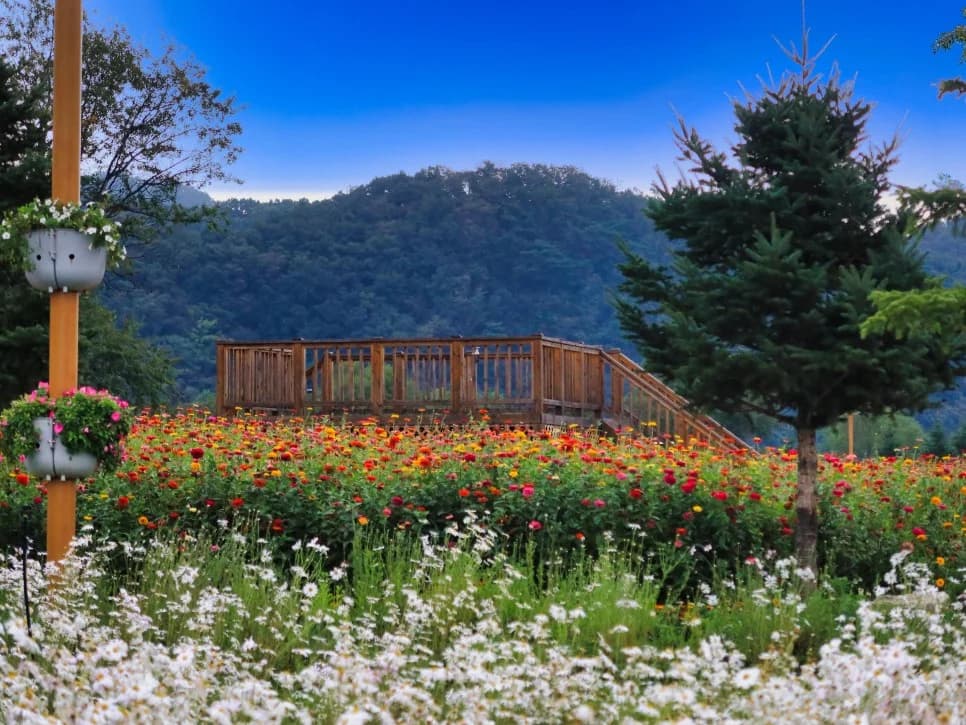
After leaving the greenhouses, discuss the leaf you remember before adding another destination. Jaraseom’s outdoor gardens operate at a different scale. The photograph of Namdo places low planting and a timber viewing platform beneath an open sky and distant hills. It illustrates the change from a close greenhouse view to a broad landscape. Continuing to Namdo is not necessary to complete an Ihwawon visit. If you want more walking, check the operator’s current access notices and connecting sections separately, then judge the return journey against your remaining time. The photographed planting is not a promise of what you will find that day.
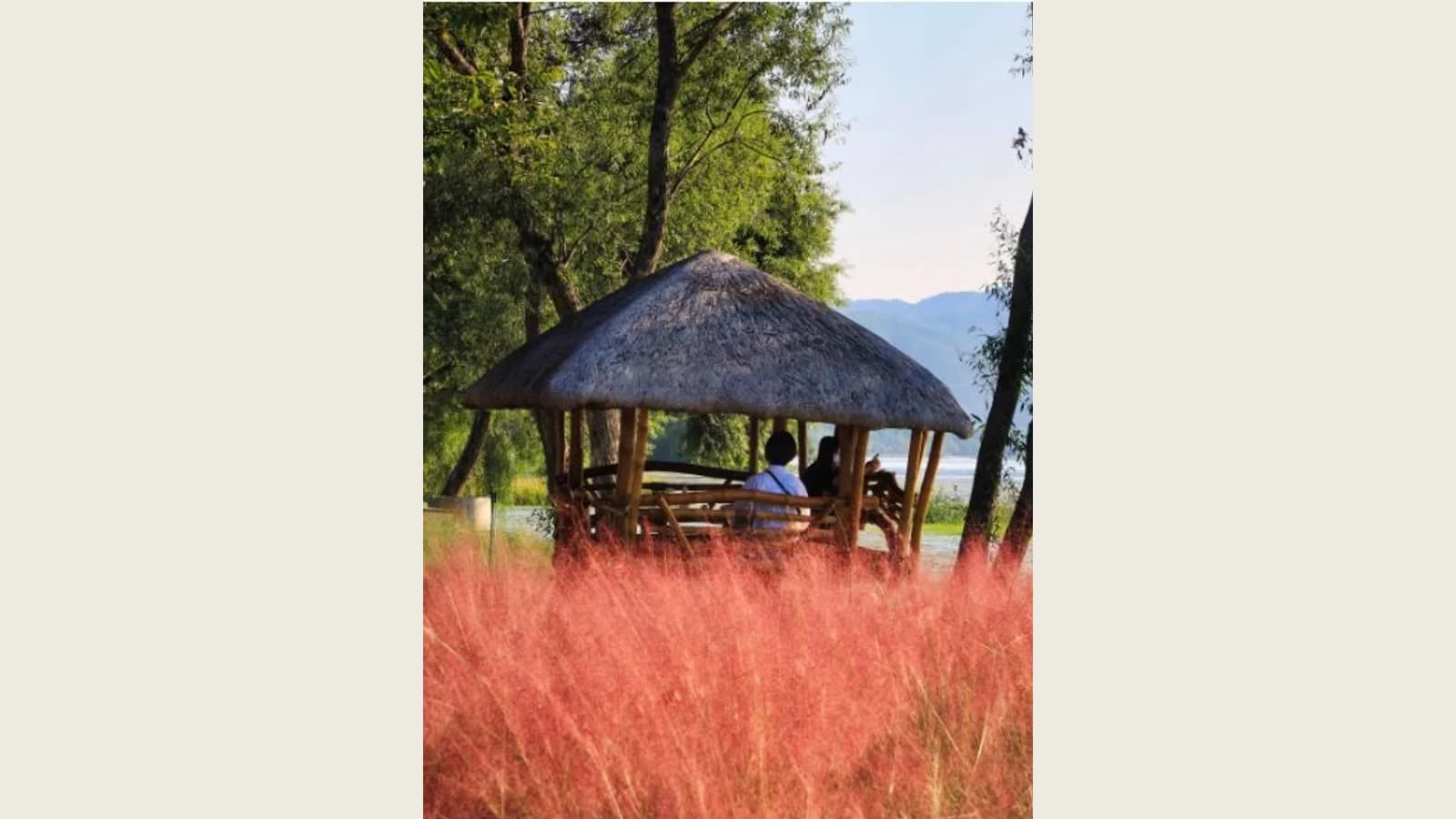
In the Namdo riverside shelter photograph, the dark space beneath a roof contrasts with the brighter river edge and gaps between trees. The small openings between greenhouse plants become larger openings that frame water and hills. These outdoor photographs are comparisons of garden space, not pictures of Ihwawon’s interior or instructions to extend the route. Keep a longer walk for another day if that suits your companions. Recheck the entrance map and leave in the direction chosen for your return, rather than adding distance simply because another garden is nearby.
What connects these observations with Chiong Art Center is the relationship between neighbouring forms. After noticing the stem beneath a broad leaf, the gaps between bamboo and the square planes of a stone lantern, look at the spaces between a hanok’s columns and the rounded outline of a ceramic vessel. Move from leaves framing a path to timber framing an opening beneath the eaves. Ihwawon and Chiong offer different materials and scales, but both invite attention to what happens where one form meets another. That gives the greenhouse visit and the hanok’s garden and art spaces a shared place in a Gapyeong journey.